
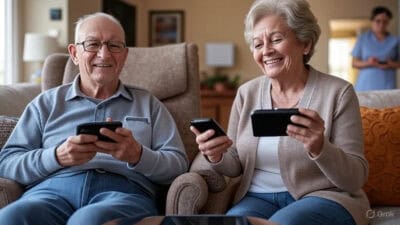
Staying independent matters a lot as people get older, but staying safe and getting help isn’t always easy. Technology brings cool gadgets that help seniors live solo without feeling trapped. Things like GPS watches and smart home gear give freedom and keep family or helpers in the loop. These devices don’t just pop up during emergencies—they make everyday life smoother and more fun. Anyone worried about an aging loved one or curious about how tech can boost lives will find this super interesting. Keep going to find out how these smart tools can flip the whole game around.
The world of senior care is undergoing a quiet transformation, driven by tech trends that prioritize wellness, independence, and connection. Whether it’s a wearable device that tracks location or a smart sensor that monitors daily routines, these tools are redefining how families approach caregiving. Let’s explore the key trends shaping elderly care today and how they’re creating a safer, more connected future for seniors and their families.
GPS Wearables Redefine Safety for Seniors
Gone are the days when personal safety devices were limited to bulky pendants with a single panic button. Modern GPS wearables are sleek, lightweight, and packed with features that go beyond emergency alerts. These devices use satellite technology to provide real-time location tracking, allowing seniors to move freely while ensuring caregivers can check in if needed. For example, a senior enjoying a walk in the park can be located instantly if they wander too far or need assistance.
What makes these wearables stand out is their versatility. Many include fall detection, which automatically alerts caregivers or emergency services if a fall occurs, even if the wearer can’t press a button. Others offer two-way communication, so seniors can call for help or chat with family directly from the device. With 36% of seniors over 65 experiencing a fall each year, according to the CDC, these features are critical for both safety and independence.
Choosing the Right Wearable
When selecting a GPS wearable, look for long battery life (at least 24 hours), intuitive interfaces, and discreet designs that blend into daily life. Devices like smartwatches or small clip-on trackers are popular because they don’t feel like medical equipment, making them more likely to be worn consistently.
Smart Home Systems for Seamless Monitoring
Smart home technology is another game-changer in elderly care, turning homes into supportive environments without the need for constant supervision. Motion sensors, smart doorbells, and connected appliances can track daily routines and alert caregivers to unusual patterns—like a fridge that hasn’t been opened all day or a door left ajar. These systems provide a non-intrusive way to monitor well-being while respecting privacy.
For instance, a smart home setup might include motion sensors that detect if a senior hasn’t moved around their usual morning routine, prompting a gentle check-in from a caregiver. These systems can also integrate with voice assistants like Amazon’s Alexa, allowing seniors to control lights, thermostats, or even make calls hands-free. The result? A home that supports independence while keeping safety first.
Practical Tips for Implementation
Start with simple devices, like smart plugs or motion sensors, that don’t require major home renovations. Ensure the system allows customizable alerts, so caregivers only receive notifications for significant changes. Always involve the senior in setup decisions to make them feel in control.
Telehealth Expands Access to Care
Telehealth has become a cornerstone of modern healthcare, and its impact on elderly care is undeniable. Video consultations and remote health monitoring allow seniors to connect with doctors without leaving home, reducing the stress of travel and long waiting room visits. For seniors with chronic conditions, wearable devices that track heart rate, blood pressure, or glucose levels can send real-time data to healthcare providers, enabling proactive adjustments to treatment plans.
According to a 2023 study by the American Medical Association, 80% of seniors who used telehealth reported improved satisfaction with their care. This trend is particularly valuable for those in rural areas or with mobility challenges, as it eliminates barriers to regular check-ups. By combining telehealth with wearable tech, caregivers can stay informed about health metrics without needing to attend every appointment.
AI-Powered Insights for Personalized Care
Artificial intelligence is making waves in elderly care by analyzing data from wearables and smart home systems to identify patterns and predict risks. For example, AI can detect subtle changes in a senior’s walking speed or sleep habits, flagging potential health issues before they become serious. This predictive approach shifts caregiving from reactive to preventive, catching problems early.
AI also powers virtual companions, like voice-activated assistants that remind seniors to take medication or engage in light conversation to combat loneliness. These tools are especially helpful for seniors living alone, as they provide both practical support and emotional connection. A 2024 survey by AARP found that 62% of seniors felt more confident living independently when using AI-driven tools.
Balancing Tech with Human Connection
While AI offers powerful insights, it’s not a replacement for human interaction. Use AI tools to handle routine tasks, like medication reminders, but encourage regular phone calls or visits to maintain emotional bonds. Choose AI systems that allow data sharing with family members for transparency.
Location Tech as a Wellness Tool
Location-based technology, like GPS wearables, isn’t just about safety—it’s a wellness tool that encourages seniors to stay active and engaged. Knowing their location is trackable gives seniors the confidence to go for walks, visit friends, or run errands without fear of getting lost. For caregivers, these devices provide reassurance without the need for constant check-ins, reducing stress for everyone.
Consider a scenario where a senior with early-stage dementia enjoys gardening but occasionally wanders. A GPS tracker can alert caregivers if they leave a designated “safe zone,” allowing the senior to enjoy their hobby while staying secure. This balance of freedom and safety is why location tech is a cornerstone of modern elderly care. For more on how these tools are reshaping caregiving, explore now.
Medication Management Made Smarter
Managing medications is a common challenge for seniors, with 40% of older adults taking five or more prescriptions daily, per the National Institute on Aging. Smart pill dispensers and apps are simplifying this process by sending reminders, dispensing the correct dose, and notifying caregivers if a dose is missed. Some systems even lock the dispenser to prevent accidental overdoses, adding an extra layer of safety.
These tools are especially helpful for seniors with memory issues or complex medication schedules. For example, a smart dispenser can be programmed to release pills at specific times, while an app alerts a caregiver if the dose isn’t taken. This reduces the risk of errors and helps seniors maintain their health routines independently.
Social Connection Through Technology
Loneliness is a significant health risk for seniors, linked to higher rates of depression and cognitive decline. Technology is helping bridge this gap with tools designed to foster connection. Video call platforms tailored for seniors, like GrandPad, offer user-friendly interfaces that make it easy to chat with family or join virtual community events. Social apps also connect seniors with similar interests, encouraging new friendships.
Beyond video calls, some devices offer games or memory-sharing features that spark conversation. For instance, a tablet designed for seniors might include photo-sharing apps that let families upload pictures with captions, creating a digital scrapbook that prompts storytelling. These tools help seniors feel connected, even when physical visits aren’t possible.
Wearable Fitness Trackers for Active Aging
Staying active is crucial for senior health, and wearable fitness trackers are making it easier to monitor exercise and encourage movement. These devices track steps, heart rate, and sleep patterns, providing insights that help seniors set realistic fitness goals. Some even offer guided exercises tailored for older adults, like chair yoga or low-impact stretches.
For caregivers, these trackers provide data on activity levels, which can indicate overall health. A sudden drop in steps, for example, might signal fatigue or a health issue, prompting a check-in. By gamifying fitness with daily goals or rewards, these devices motivate seniors to stay active, improving both physical and mental well-being.
Conclusion: A New Era of Elderly Care
The tech trends shaping elderly care today are about more than gadgets—they’re about creating a world where seniors can live with dignity, independence, and connection. From GPS wearables that provide safety without intrusion to smart home systems that monitor routines discreetly, these tools are empowering families to care better and smarter. Telehealth, AI, and fitness trackers add layers of support, making it easier to prioritize wellness and prevent issues before they arise.
For caregivers, these technologies offer practical ways to stay involved without overwhelming their lives. For seniors, they provide the freedom to live on their terms, backed by a safety net that feels supportive, not restrictive. As these trends continue to evolve, the focus remains clear: technology should enhance human connection, not replace it.
If you’re exploring ways to support an aging loved one, start small—choose one tool, like a GPS wearable or smart pill dispenser, and see how it fits into your family’s routine. Talk to your loved one about their needs and preferences to ensure they feel respected and included. The right technology can make all the difference, turning caregiving into a collaborative, stress-free experience. Take the first step today and discover how these innovations can improve life for both seniors and their families.