
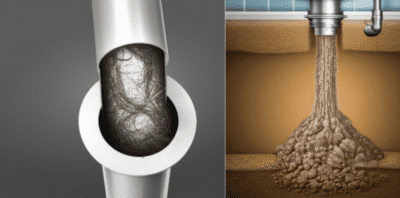
Clogged drains sneak in quietly, starting with small issues that soon cause bigger problems around the house. A sink draining too slowly or a shower that drips out water like molasses might not seem urgent. But if left alone, bad smells creep in, water pushes back, and damage creeps up, leading to repair costs way higher than a quick cleanup. Homeowners wanting to keep things fresh and dodge surprise bills need to spot these problems early and shut them down for good. Keep reading to discover simple tricks that save time, money, and headaches before the mess grows.
This article explains how drain cleaning prevents bigger problems and saves time and money. You will find clear examples of common failure patterns, practical tips you can use between professional visits and guidance for choosing a reliable service. The aim is to help you spot early warning signs and take sensible steps before a small clog becomes an emergency.
Why regular drain cleaning matters for homeowners
Drains are part of an invisible infrastructure that handles water and waste every day. When this system works well you barely notice it. When it fails you face standing water, foul smells and potential damage to floors and walls. Regular cleaning removes accumulations that slow flow and creates conditions where larger blockages cannot form.
Beyond immediate convenience there are broader benefits. Routine cleaning lowers the risk of raw sewage backing up into living spaces. It reduces pressure on older pipes that may already have thin walls or corrosion. In neighborhoods with mature landscaping it also limits the chance that tree roots will find weak spots and grow into a line.
Common causes of blockages and how they escalate
Understanding what causes a clog makes prevention easier. Here are the usual culprits and how each one can spiral into a bigger headache.
Organic buildup and grease
Soap scum, hair and food solids collect over time. Grease from kitchen drains coats pipe interiors and captures other debris. A light film might slow water, then a thicker layer traps more matter until flow drops substantially. Once flow slows solids settle and compact into a stubborn obstruction.
Foreign objects and misuse
Items flushed or poured down drains that do not belong there create instant trouble. Sanitary products, wipes labeled flushable and coffee grounds are common examples. Even small objects can lodge at pipe joints and start a chain reaction of trapping and compacting that turns a fixable clog into a section of pipe that needs replacement.
Hidden risks that follow neglected drains
Slow draining can lead to outcomes you might not associate with a clogged sink. Here are four risks many homeowners overlook.
- Structural water damage A backup in a drain connected to a washing machine or bathroom can leak into subfloors and wall cavities. Mold can start within 24 to 48 hours in damp conditions and spread behind baseboards.
- Pipe corrosion and collapse Standing wastewater contains chemicals and salts that accelerate internal corrosion in metal pipes. Over time a corroded pipe can develop holes or fractures that require section replacement.
- Sewage exposure A mainline backup can release untreated sewer water into a basement or yard. That creates a health risk and triggers expensive cleanup protocols that include removal of affected materials.
- Attracting pests Food particles and standing water draw insects and rodents. Pests find access points through damaged pipes and spread contamination inside a home.
How professional drain cleaning prevents structural damage
When done by experienced technicians a professional cleaning removes the buildup that creates pressure points and hides early signs of decadence. Regular service helps identify weak joints, root intrusion and corroded sections before they fail catastrophically.
Technicians use tools and camera inspection that reveal conditions deep inside lines. A visual inspection can detect small cracks and misalignments long before visible leaks appear. That gives you options to repair a section early rather than replace a longer run under a slab later.
Cost comparison of preventive cleaning versus emergency repairs
Preventive drain cleaning is an investment that keeps small issues from becoming major claims. Consider typical cost ranges to see the difference.
- Routine cleaning A standard professional service for sinks and drains may range from a modest fee for homeowners to a slightly higher visit for mainlines. The exact figure depends on region and scope but is often a fraction of emergency repair costs.
- Emergency unclogging When a blockage becomes a backup a same day call can carry overtime or weekend rates and may require more labor and equipment. That pushes the price significantly higher.
- Major repairs Replacing a sewer lateral or repairing damage under a slab can cost several thousand dollars. Water damage remediation, mold removal and replacement of flooring or drywall add to that total.
In short a small recurring expense for scheduled cleaning can prevent a bill that is many times larger. If you are tracking maintenance budgets it is one of the easier investments to justify.
DIY maintenance tips to use between professional visits
Regular professional service should be paired with simple homeowner habits. These low cost steps reduce the rate of buildup and prolong the period between deep cleanings.
- Screen drains Use mesh strainers on sink and shower drains to catch hair and larger food particles.
- Avoid grease Wipe pans and dispose of cooking grease in the trash rather than pouring it down the sink.
- Cold water with garbage disposal Run cold water while grinding waste to keep particles suspended and moving toward the main line.
- Flush occasionally Periodically run hot water down slow drains and follow with a short burst of cold water to clear remaining residue.
- Know what not to flush Treat wipes and similar products as trash even when packaging suggests they are flushable.
Choosing a professional service that prevents recurring problems
Not all drain cleaning providers use the same approach. Look for a company that performs camera inspections and explains findings before recommending major work. A good provider offers a clear record of what was removed and shows video or images when possible.
For homeowners in my area a local firm combines routine cleaning with condition reporting and maintenance schedules. If you want to compare services consider asking for the following
- The type of cleaning method they plan to use and why
- Whether they include camera inspection and a report
- Any follow up recommendations and an estimated timeline for the next visit
One regional option that performs inspections and scheduled maintenance is Berkeys drainage cleaning service and similar firms can help you plan a preventive timetable based on pipe age and household habits. A single photograph of a mainline can make clear whether your system needs annual attention or only occasional checks.
When to act immediately and when to schedule routine work
Some signs need immediate attention while others signal a task for the next scheduled visit. Act right away if you see sewage backing into a fixture or multiple drains are slow at the same time. These are signs of a mainline issue and call for immediate service.
A single sink that drains slowly is often a candidate for scheduled cleaning. Strong recurring odors or repeated clogs after a cleaning indicate there is an underlying problem that may require repair beyond clearing the line.
Keeping a simple log of service visits and any changes in drainage performance helps you and a technician find patterns. Note the date of a cleaning the fixtures that were treated and any observations about odors or slow flow. That record becomes a useful reference the next time a technician evaluates your system.
Conclusion
Regular drain cleaning is more than a chore. It protects your home from water damage, reduces health risks and prolongs the life of plumbing lines. Small clogs are easy to fix when found early. When they are allowed to grow they create pressure on pipes and can lead to costly repairs and disruptive remediation.
Practical steps you can take right now include installing strainers, avoiding grease down the drain and scheduling regular professional inspections. When you work with a company that uses inspection tools you get early warning of weakening pipe sections and root intrusion. That allows repair planning that is less invasive and less costly than emergency reconstruction.
If you have noticed recurring slow drains or foul smells make a plan for professional inspection and cleaning. A quick preventive visit can spare you an emergency call and a much larger bill. Contact a reputable service in your area to set up a schedule that fits your home and lifestyle and take action today to keep minor problems from turning into major ones.