
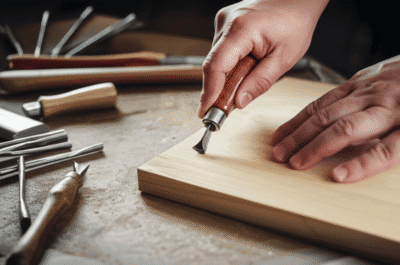
Getting the most from tools means more than just choosing the right one. It involves smart habits, simple tips, and keeping gear in top shape so every job feels smoother and lasts longer. Fixing a dripping faucet, building a shelf, or doing a big remodel becomes easier when changing how tools get used. These tricks save time and headaches, opening the door to working like a pro without the hassle. Learn secrets that few know, turning any project into a fun and rewarding victory. Stick around to find out how to make your next job a breeze.
This article shares hands on advice based on common workshop experience and testable routines. Read through the sections that match your skill level and project type, and try one new tip each week to see steady improvement. If you need a starting point for tool selection, check resources such as expert diy tool advisor to compare features and read user feedback.
Tool Use Tips for Better Results
Begin with a plan and a short checklist. A quick plan helps you match the right tool to the task, control the sequence of operations, and avoid common mistakes like cutting into the wrong surface or stripping screws. For many tasks a one page plan listing tools, fasteners, and measurements prevents wasted trips to the hardware store.
- Measure twice and mark once with a pencil or tape to reduce rework.
- Pick the smallest tool that can do the job well, because it usually offers more control.
- Use clamping to hold work steady, reducing the chance of slips and uneven cuts.
Choose the Right Tool for the Job
Tool choice affects speed and outcome. Power saws, hand saws, oscillating tools, and routers all cut wood, but they vary in finish, speed, and safety needs. Match tool capability to task goals, for instance choosing a finish oriented blade for visible trims and a ripping blade for rough cuts where speed matters more than appearance.
- Consider tool power and speed, and how those properties affect material removal and control.
- Read product labels for blade or bit type to match material, such as wood, metal, or masonry.
- When uncertain, test a cut or run on scrap material to confirm settings and blade choice.
Maintain and Care for Your Tools
Regular care extends useful life and keeps performance steady. Simple maintenance routines prevent common failures and save money over time. For example, cleaning sawdust from vents and lubricating moving parts after heavy use can keep a motor cooler and reduce wear.
Cleaning and Storage
Wipe tools after use to remove dust and grime. Store batteries in a cool dry place, and return bits and blades to labeled cases to avoid dulling. A pegboard, foam organizers, or labeled drawers reduce search time and prevent accidental damage from loose parts banging together.
Regular Inspections
Inspect cords and housings for cracks or exposed wires. Check fasteners on tool bodies and fences to verify nothing came loose during prior use. Replace worn bits and blades instead of forcing them to keep cutting; a new blade often cuts faster and with less tear out.
Sharpening and Calibration
Sharp edges and correct alignment produce cleaner results and lower effort. Dull blades increase heat and drive more torque through a motor, which can shorten tool life and give rough surfaces. Periodic sharpening and calibration are a small time investment that pays off with improved finish and reduced scrap.
Blade and Bit Care
Use a proper file or sharpening stone for hand plane irons and chisels. For circular saw blades and router bits, consult a local sharpening service if you lack the tools at home, because regrinding needs accuracy. Mark the blade or bit when you notice vibration or rough cutting as a sign to service it.
Calibrate Measuring Tools
Measure tools can drift, so check a square and tape measure against a known reference. For power tools, check fences and guides with a straightedge and adjust stops to keep repeatable cuts within tight tolerance. Small alignment errors compound when repeated, so confirm calibration before batch work.
Set Up and Workspace Layout
A deliberate workspace reduces time wasted and enhances safety. Arranging tools and materials for smooth motion helps you keep momentum and avoid awkward reaches that cause mistakes or injury. Aim to set up so common tools live within arm reach of your primary work area.
Lighting and Accessibility
Good lighting reveals small defects and improves accuracy. Place bright task lighting over the bench and cut lines, and use a movable lamp for tight spots. Keep frequently used accessories like clamps, measuring tapes, and pencils on a hook or in a small tray near the bench so you do not interrupt your workflow to search for them.
Bench and Vise Setup
Fasten a sturdy vise at a comfortable height to reduce strain. For long workpieces use roller supports to prevent sagging and maintain square cuts. Keep a clearance zone for power tool cords and scrap removal so the work area remains tidy and movement is not restricted.
Safe Handling and Ergonomics
Good posture and safe habits matter as much as technical skill. Tool control is better when you are balanced and not overreaching. Position your feet so you can shift weight easily and keep both hands on a tool when the operation demands firm control.
- Wear eye protection and hearing protection appropriate for the task.
- Tie back long hair and avoid loose clothing near rotating parts.
- When lifting heavy items use legs and keep the load close to your body to reduce back strain.
Common Mistakes and How to Avoid Them
Many errors are repeatable and straightforward to prevent. Below are common traps and practical fixes that make a noticeable difference in results and speed.
- Rushing setup which leads to measurement errors. Take an extra minute to confirm stops and marks.
- Using the wrong blade or bit. Label spare blades and keep a small assortment for typical materials you handle.
- Ignoring kickback hazards. When using saws, stand to one side and keep a firm grip to reduce the chance of being struck.
- Overdriving fasteners. Use clutch settings on cordless drivers or set a torque value on a drill to avoid splitting or stripping.
Practical Routines for Ongoing Improvement
Create a short post project checklist that you run after each job. It can include cleaning, putting tools away, checking consumables, and logging any adjustments you made during the work. Over time this record helps you spot repeat problems which can then be addressed.
- Monthly inventory of blades, bits, and fasteners so you do not run out mid project.
- Quarterly review of common setups to standardize jigs and stops for repeatable work.
- Try a single new technique or tool setting per month and note results, which helps build skills without overwhelm.
Small changes in how you choose, care for, and use tools add up to large improvements in results. The tips above are practical and suited to a variety of projects, from simple repairs to more involved woodwork. Start by implementing one or two suggestions from the sections that match your typical tasks, and measure the difference in time, finish quality, and how confident you feel during work.
Ready to put these ideas into practice Select one tip to try on your next project and plan a short follow up to see how it worked If you want a quick reference when shopping or comparing models return to the linked resource at the top for hands on reviews and comparisons Keep a small notebook or digital note with your setup and outcomes and you will create a personal playbook that improves every project Join a local workshop session or online forum to exchange techniques and learn new approaches from others
To wrap up take action now Choose one tool and one routine to change this week Apply the measurement and maintenance steps described here and observe the change in your results Consistent small updates deliver steady improvement over time If you found these suggestions useful subscribe to a newsletter or follow a resource that matches your interest and skill level Make a plan for your next project list the tools and a short checklist and then get started Your projects will feel easier, produce cleaner results, and take less redo time Start today and notice the difference