
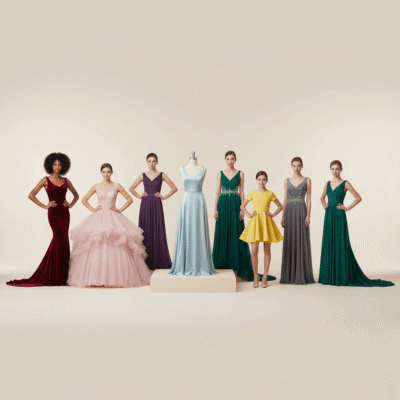
Dress silhouettes show how clothes fit and flow with the body. Knowing the main shapes helps choose styles that match body proportions, fit the occasion, and show personal style. This handy guide breaks down popular silhouettes, shares styling hacks, and gives real-life examples to use whether shopping or getting dressed. Readers looking to upgrade their wardrobe or feel more confident in outfits will find useful tips that make picking the right dress easier and more fun. Keep reading to uncover the secrets behind looks that turn heads and feel just right.
Whether you want a look that skims the body or one that creates dramatic volume, understanding silhouette basics makes shopping faster and dressing with confidence easier. I will explain the features, benefits, and styling moves for each silhouette so you can make choices that fit your lifestyle and figure.
Understanding Different Dress Silhouettes and Why They Matter
Silhouette refers to the overall outline of a dress when worn. It is often the first thing people notice because it shapes the way the garment complements your proportions. Key elements that create a silhouette include the cut at the waist, the fullness of the skirt, and how closely the bodice fits the torso.
Knowing popular silhouettes gives you a language to use when browsing shops or describing what you want to a tailor. For images and a wider look at many styles, see a visual guide like Fashion Gone Rogue which pairs photos and short descriptions so you can match terms to looks you like.
A Line and Empire Styles: Classic Flare Options
A Line dresses flare gently from the waist or slightly above it which creates a triangle shaped outline. This silhouette is noted for being forgiving at the hips while maintaining a tailored appearance at the bust and shoulders. It works for many body types and is a reliable choice for daytime events, office wear, and casual outings.
Empire dresses have a raised waistline that sits just under the bust. The skirt then flows down straight which can lengthen the appearance of the legs. This style is especially useful for balancing a shorter torso or hiding the midsection after meals or during long evenings.
- When to choose A Line if you want structure without restriction or if you prefer a classic, slim-to-full shape.
- When to choose Empire if you need a forgiving waist area or want to create the impression of longer legs.
Sheath and Column Shapes: Sleek Straight Lines
Sheath dresses hug the body and follow the natural curves from shoulders to hips with minimal flare. Column dresses are similar but typically longer, extending straight down to the hem. Both silhouettes emphasize vertical lines so they can create an elongating effect.
These shapes work well for formal events and professional settings where a streamlined look is preferred. Fabric choice matters here; a stable woven keeps the line neat while a slightly stretchy knit allows movement without losing the silhouette.
Fit and Flare and Ball Gowns: Volume Focused Silhouettes
Fit and flare styles are fitted through the bodice and waist then flare out into a fuller skirt. The look highlights the waist and provides movement in the skirt. Ball gowns push that concept further with a tightly fitted bodice and a very full skirt that often includes layers of tulle or crinoline for structure.
Styling tips for fit and flare
Pair a fit and flare dress with a defined belt to enhance the waistline. Heels lengthen the legs and balance the volume of the skirt. For cooler weather, a cropped jacket or bolero keeps the waistline visible while adding warmth.
When a ball gown makes sense
Reserve ball gowns for occasions that call for formal drama, such as a formal gala or prom. Choose fabrics with some weight so the skirt holds its shape, and consider built-in structure to avoid needing excessive underpinnings.
Mermaid and Trumpet: Curve Embracing Styles
Mermaid dresses are fitted through the bodice, waist, and hips and flare out dramatically around the knees. Trumpet dresses have a similar fitted upper half but the flare starts higher, often mid-thigh. Both silhouettes emphasize curves and create a sculpted look that is popular for evening wear and bridal styles.
Because these dresses are close fitting from top to nearly the hem, mobility can be limited. Look for designs with gussets, side slits, or stretch fabrics to keep the silhouette flattering without feeling restrictive.
Shift, Tent, and Shirt Dresses for Casual Comfort
Shift dresses fall straight from the shoulders with very little waist definition. Tent dresses are looser and more voluminous, offering a roomy feel that is breezy in warm weather. Shirt dresses mirror a button down shirt extended into a dress form and frequently include a waist tie for optional shaping.
These silhouettes are often chosen for travel, weekend outings, and relaxed workplaces. They pair well with flats, sandals, or sneakers and can be layered under lightweight jackets for a polished casual look.
Choosing a Silhouette for Your Body Shape and Occasion
Matching silhouette to body shape improves how clothes feel and how proportions read in photos. The aim is to either highlight a strong feature or bring harmony to areas you would prefer to downplay. Below are practical pairings and event suggestions.
Body shape guidance
- Pear shape consider A Line and fit and flare to balance a narrower upper body with fuller hips.
- Apple shape empire and shift silhouettes offer comfort and help conceal the midsection while keeping lines smooth.
- Hourglass shape choose sheath, mermaid, or fit and flare to celebrate a defined waist and balanced proportions.
- Rectangle shape add waist definition with belts or try trumpet and tent shapes to create curves.
Occasion based suggestions
For office settings stick with sheath, A Line, or shirt dresses in modest lengths. For formal nights choose mermaid, column, or ball gown silhouettes depending on the level of formality. Casual weekend plans call for shifts, tent dresses, or shirt styles that allow movement and quick layering.
Fabric, Length, and Neckline: How These Details Shape Silhouette
Silhouette is not only about cut. Fabric weight and drape change how a shape reads. Crisp cotton, linen, or taffeta will hold structure and show off defined shapes like A Line or ball gown. Soft knits and silk satins will cling and reveal curves, which is useful for sheath and column styles.
Length also affects perception. Midi lengths create a modern, mid-century flair and pair well with block heels. Maxi lengths emphasize verticality and work well with column and empire silhouettes. Neckline choices, such as V necks or boat necks, alter how wide the shoulders appear which balances different body shapes.
- Lightweight fabrics favor floaty silhouettes such as empire and tent.
- Heavier weaves support structured skirts and tailored lines like fit and flare or A Line.
- Stretch fabrics improve comfort in sheath and mermaid styles.
Practical Tips for Shopping and Alterations
When trying on dresses focus on fit in key areas rather than obsessing about overall size. If the bust and shoulders fit well, a small waist alteration can often fix proportions. Conversely, a dress that fits the hips but is tight across the chest may require more complex tailoring.
Bring the shoes and undergarments you plan to wear so length and support are accurate. For form fitting silhouettes, invest in supportive underpinnings. For very full skirts, check whether the dress needs additional petticoats to achieve the intended volume.
- Test movement by sitting and walking to ensure comfort in mermaid and trumpet styles.
- For special events, have a final fitting close to the date to account for last minute changes in weight or posture.
- Keep a list of alterations a tailor recommends; some are simple and affordable while others may exceed the garment value.
Choosing the right dress silhouette is about knowing how shapes interact with your proportions and lifestyle. With a few key principles and the willingness to try different forms, you can build a wardrobe that looks intentional and feels good. Use the silhouette names when searching or speaking with sales staff to speed up the process and focus on garments that meet your needs.
Ready to apply these ideas to your wardrobe planning? Start by identifying two silhouettes that suit your daily routine and two for special occasions. Try them on in-store to see how fabric and length change the effect and bring notes to your next fitting. If you want photo references or visual comparisons while you shop, a visual resource can help you match looks to descriptions. Take action by making a small list of silhouettes to test this month and observe how each choice shifts your daily comfort and confidence.